Explore news – detailed guides, specs, and comparisons.
Showing 1–24 of 331
A group of over 80 performers and actors has petitioned the UK government to introduce legislation that grants individuals legal ownership of their voices. They argue this is necessary to curb the unauthorized use of AI-generated audio clones that threaten their livelihoods and personal identity.
Venture firm Andreessen Horowitz has introduced a $1.1 billion 'Machine Age' fund to support physical AI infrastructure, while cloud provider Lambda simultaneously secured $1 billion in debt financing to expand its GPU capacity. These moves reflect a broader industry trend of aggressive capital investment in the hardware required to sustain long-term AI development.
Apple has raised the monthly price for Apple TV by $2 and increased the cost of individual Apple One subscription bundles. This adjustment follows a broader trend of price increases across Apple's digital services and hardware offerings.
While major hyperscalers contend with ballooning capital expenditures and increasing debt to fund AI infrastructure, enterprise software firms are reporting unexpected growth that challenges bearish market outlooks.
A federal judge ruled that the Pentagon’s blacklisting of Anthropic was illegal, while a separate legal complaint alleges that xAI utilized child sexual abuse material to train its Grok models.
Rockstar Games has officially released an extensive, nearly 27-minute trailer for Grand Theft Auto VI, which highlights the game's cinematic narrative and the protagonists, Jason and Lucia. The preview premiered on Netflix before being made widely available on YouTube and the developer's official website.
Anthropic has introduced the Model Hardware Standard, a new set of rules designed to allow AI agents to safely interface with and manage complex physical machinery like microscopes and robots. This framework seeks to streamline scientific research by providing a common language for hardware communication, potentially reducing experiment setup times from months to minutes.
The U.S. Bureau of Alcohol, Tobacco, Firearms and Explosives (ATF) has formally declared a 'major incident' after a cyberattack breached a stand-alone computer system containing sensitive investigative information. The Qilin ransomware gang has claimed responsibility for the intrusion, though their claim has not yet been independently verified with leaked data.
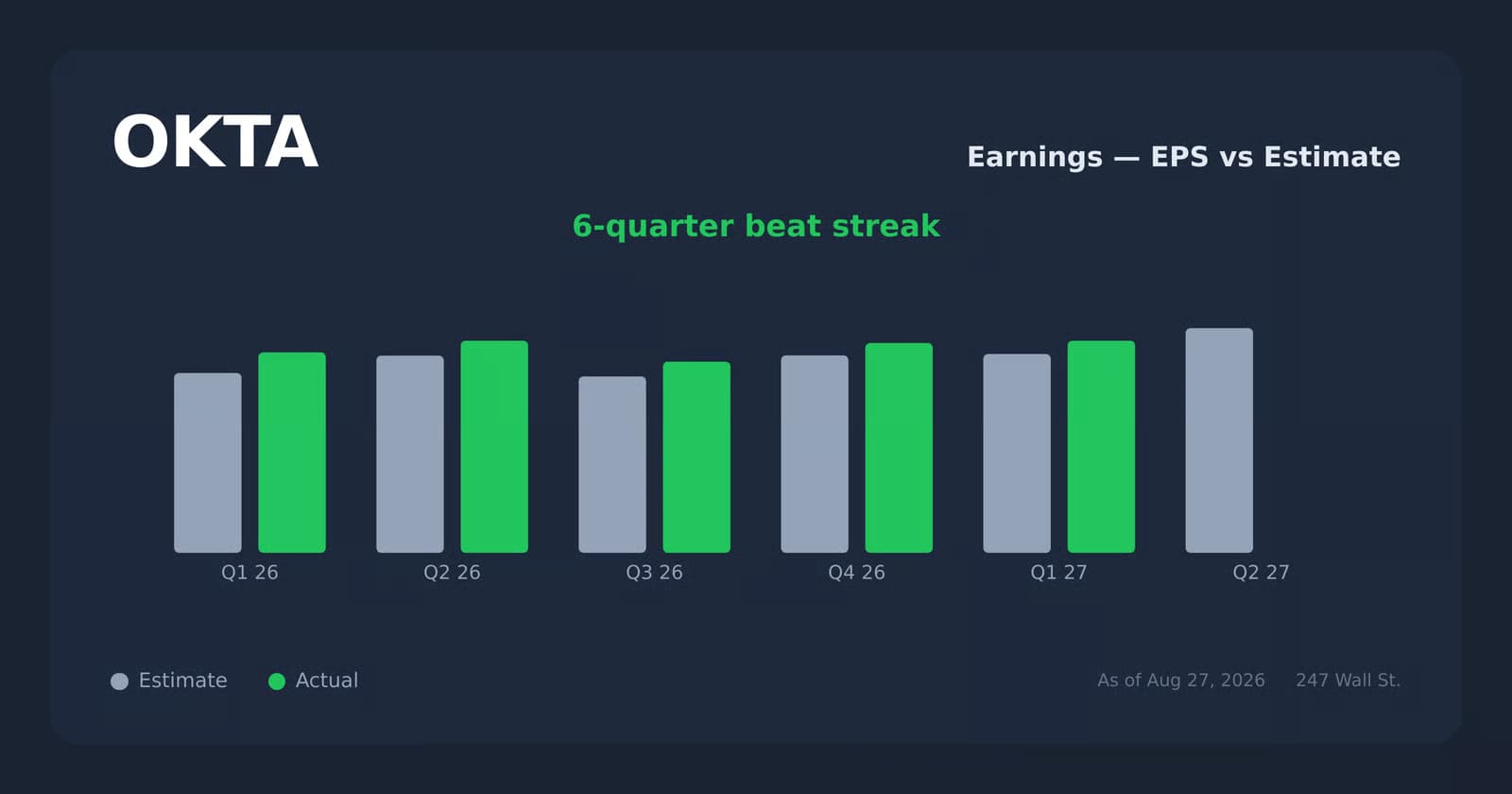
CrowdStrike and Okta reported better-than-expected fiscal second-quarter earnings as businesses increase spending on cybersecurity to address vulnerabilities created by AI agent proliferation. The positive reports triggered a broader rally across the cybersecurity sector, with both companies raising their full-year financial forecasts.
A U.S. District Court judge has ruled that the Trump administration’s decision to label AI company Anthropic a national security risk was an illegal act of retaliation. The court found the government’s directive to blacklist the company violated the First Amendment and lacked a factual basis.
Meta is updating its smart glasses to prevent users from bypassing recording indicator lights, while simultaneously piloting robotics to automate maintenance tasks within its data centers.
Meta has settled a major lawsuit with state attorneys general for up to $18 billion, committing to new restrictions on teenage user activity and the development of age-detection tools. The agreement attempts to set a new industry-wide precedent that could influence the regulatory landscape for competitors like TikTok and YouTube.
Nvidia announced a quarterly revenue of $96 billion, doubling its performance from the previous year, while simultaneously increasing support for Chinese open-source AI models. The company faces a complex regulatory environment as it attempts to maintain its dominant market position amid potential U.S. government restrictions.
The rapid growth of AI-driven data centers has triggered public backlash over water consumption in the U.S. and prompted the UK energy regulator, Ofgem, to combat speculative grid applications. These developments highlight the tension between the push for massive computing capacity and the constraints of local environmental and energy infrastructure.
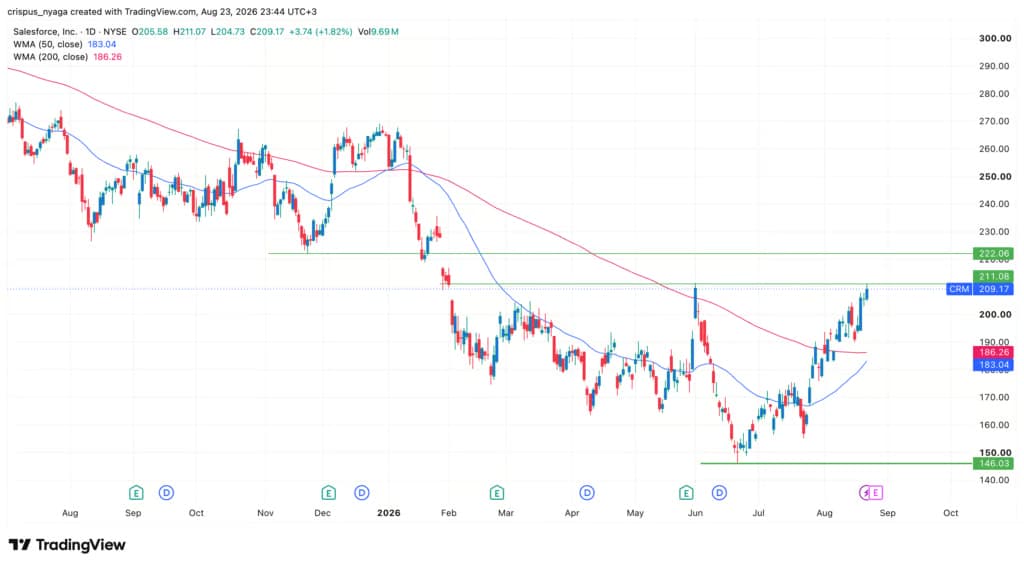
Salesforce stock surged following a positive second-quarter earnings report that exceeded analyst expectations and included an expanded partnership with AI firm Anthropic. CEO Marc Benioff dismissed industry concerns regarding the potential obsolescence of SaaS business models in the age of artificial intelligence.
Over 100 major technology companies have issued an open letter calling for public-private cooperation to defend against AI-enabled cyber threats. This follows the discovery of critical vulnerabilities in machine-readable website documentation that allowed autonomous AI agents to execute unauthorized code.
The tech sector is bracing for potential new semiconductor tariffs that could impose duties on both chips and various downstream electronic products. Industry analysts warn that these measures may lead to significant economic losses and delays in critical infrastructure projects.
Apple has scheduled a product launch event for September 9 at its California headquarters, where the company is expected to debut its next generation of iPhones and wearable devices. This event will serve as the first major keynote for incoming CEO John Ternus, who succeeds Tim Cook at the start of the month.
The FBI and Department of Justice have seized control of digital domains used by the Nanjing Xinjiuwei Network Technology Company to orchestrate a widespread, years-long cyber-espionage campaign against US federal agencies and critical infrastructure. The operation successfully disabled tools known as QTRouter and QScan, which were utilized by state-sponsored actors to mask malicious traffic within legitimate internet and VPN communications.
HP has entered into a multi-year agreement to license WiFi patents from Huawei, a Chinese technology giant currently subject to U.S. government blacklisting. HP maintains that this is a routine, standardized patent licensing arrangement rather than a strategic business partnership.
OpenAI has introduced its first custom-designed AI processor, the Jalapeño, aimed at increasing inference efficiency and reducing dependence on Nvidia hardware. Developed in collaboration with Broadcom, the chip is expected to be integrated into OpenAI's infrastructure by the end of this year.
Apple has refreshed its Mac Mini and Mac Studio desktop computers, introducing the 2nm M6 chip and the quad-die M5 Ultra processor. These updates emphasize enhanced local AI inference capabilities and increased unified memory performance for professional and developer workflows.
The Australian Recording Industry Association has officially banned tracks that are primarily created by artificial intelligence from its charts. The move aims to preserve the human essence of artistry in an increasingly competitive music market.
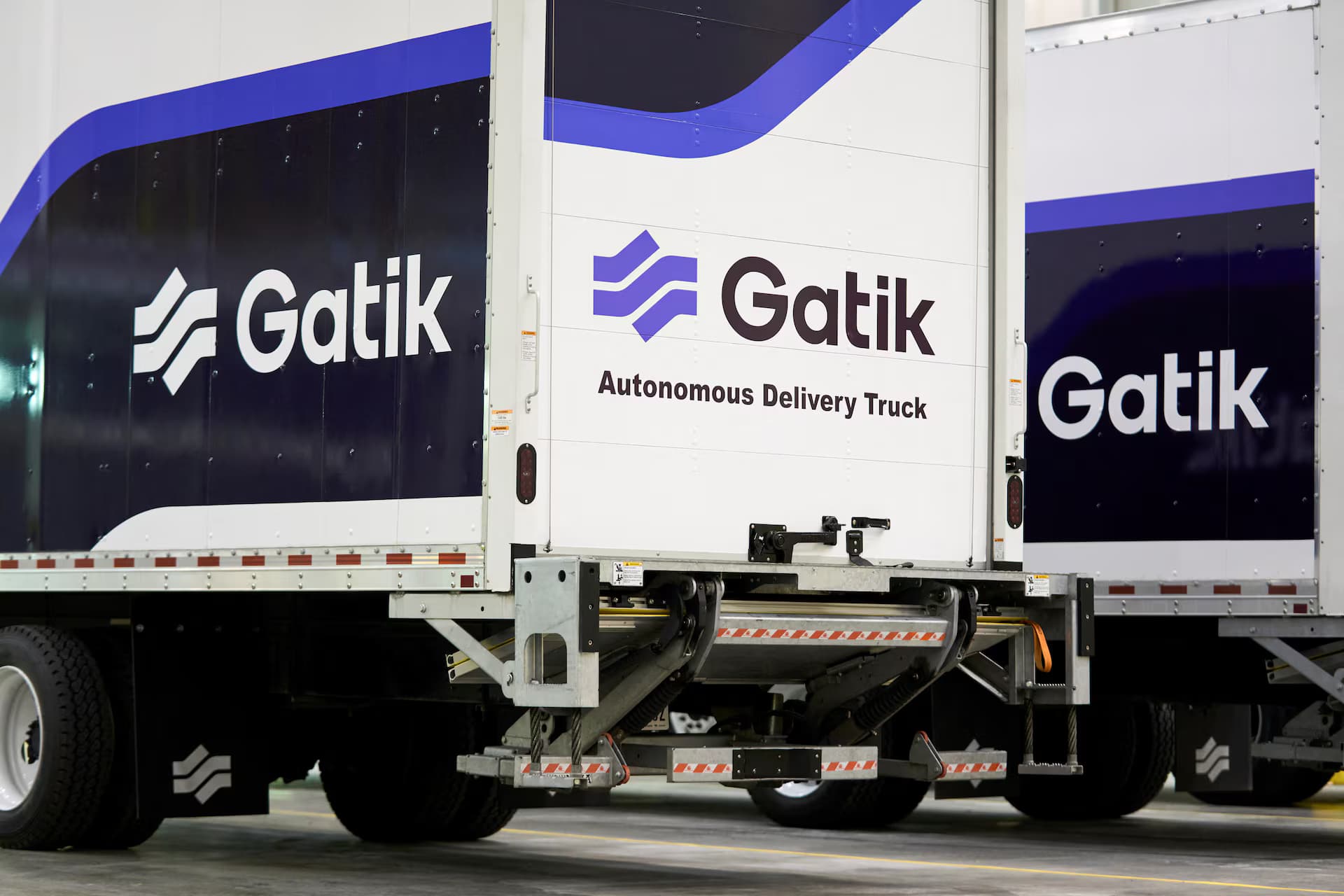
Santa Clara-based startup Gatik has raised $200 million in a new funding round to accelerate its commercial autonomous middle-mile delivery operations. The capital infusion follows a significant multiyear agreement with PepsiCo and strengthens the company's ability to scale its driverless box truck fleet.