
While major hyperscalers contend with ballooning capital expenditures and increasing debt to fund AI infrastructure, enterprise software firms are reporting unexpected growth that challenges bearish market outlooks.
The Strain on Hyperscaler Balance Sheets
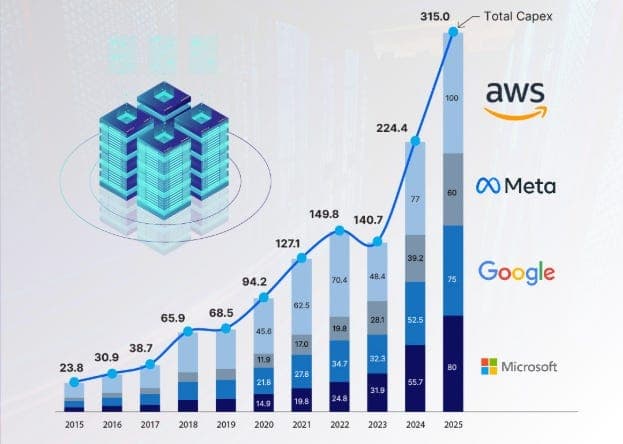
For years, tech giants including Meta, Amazon, Alphabet, and Microsoft were viewed as financial safe havens due to their massive cash reserves and minimal debt. However, the aggressive race to build out AI data centers and server capacity is fundamentally altering these financial profiles. Capital expenditures at some firms have surged beyond 100% of their operating cash flow, forcing them to turn toward external financing options such as traditional bond sales and complex, off-balance-sheet arrangements. For instance, Alphabet and Amazon have been active in global debt markets, while Meta has utilized bonds and strategic ventures with asset managers to distribute the cost of data center construction. Analysts from S&P Global and Moody's have noted that this reliance on debt is placing pressure on credit quality. While these companies maintain strong overall ratings, the high cost of maintaining an AI-first infrastructure is leading to a tightening of financial flexibility that once defined the industry's largest players.
Capital Expenditure Trends and Cash Flow Impacts
The scale of AI investment has reached unprecedented levels, creating significant pressure on free cash flow (FCF). During the second quarter, Meta’s FCF dropped 91% year-over-year as capital spending reached $31.1 billion. Alphabet experienced its first quarter of negative cash flow since its 2004 IPO, and Amazon similarly entered negative FCF territory with $8.8 billion in outflows. Microsoft remains the relative outlier, though it still saw a 23% decline in FCF as its own infrastructure spending doubled. Looking ahead, FactSet consensus estimates suggest that the four hyperscalers will spend nearly $960 billion on capital expenditures in 2027, against a projected $905 billion in operating cash flow. This reliance on debt has even contributed to broader macroeconomic movements, as a significant surge in corporate bond issuance has put upward pressure on government bond yields, forcing sovereign debt to compete for investor interest.
Salesforce Rebuts the 'SaaSpocalypse' Narrative
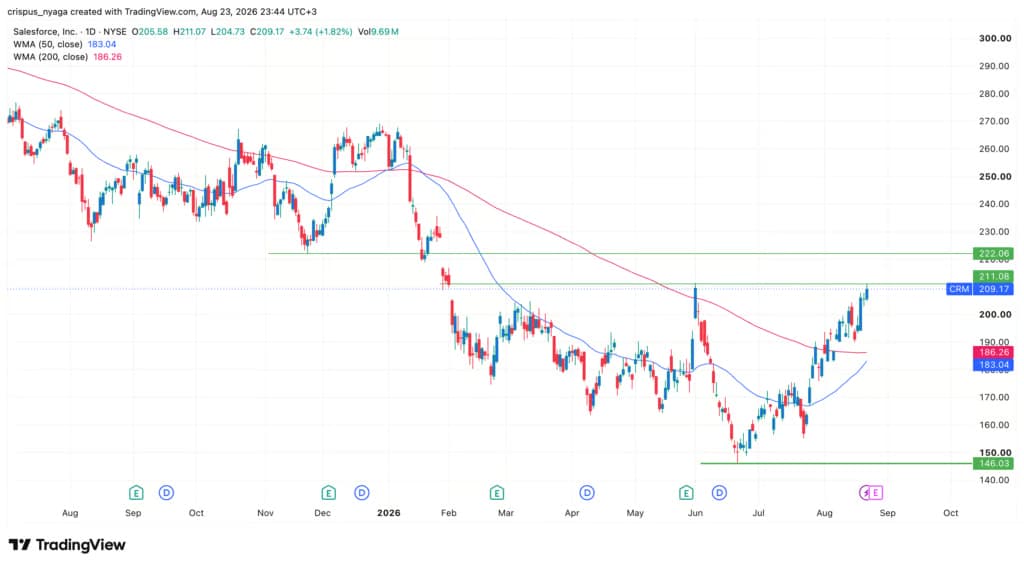
In contrast to the infrastructure-heavy hyperscalers, enterprise software provider Salesforce is seeing a resurgence in market confidence. After struggling with a bearish narrative that AI models would replace traditional software subscriptions—a scenario dubbed the 'SaaSpocalypse'—the company delivered a strong quarterly performance. Salesforce reported an 11% year-over-year revenue increase, with its 'Agentforce' AI tools seeing a 240% rise in annualized revenue. The firm’s stock surged nearly 23% following these results, which coincided with the announcement of 'Claudeforce,' a deep integration with Anthropic’s Claude model. CEO Marc Benioff argued against the premise that AI would render traditional CRM software obsolete, noting that frontier models remain reliant on the foundational data structures provided by his company. This shift in sentiment reflects a growing investor belief that enterprise software remains essential, even in an AI-dominated landscape, as corporations prioritize security and maintenance over 'vibe-coding' their own systems.
Nvidia’s Role in Shaping Market Perceptions
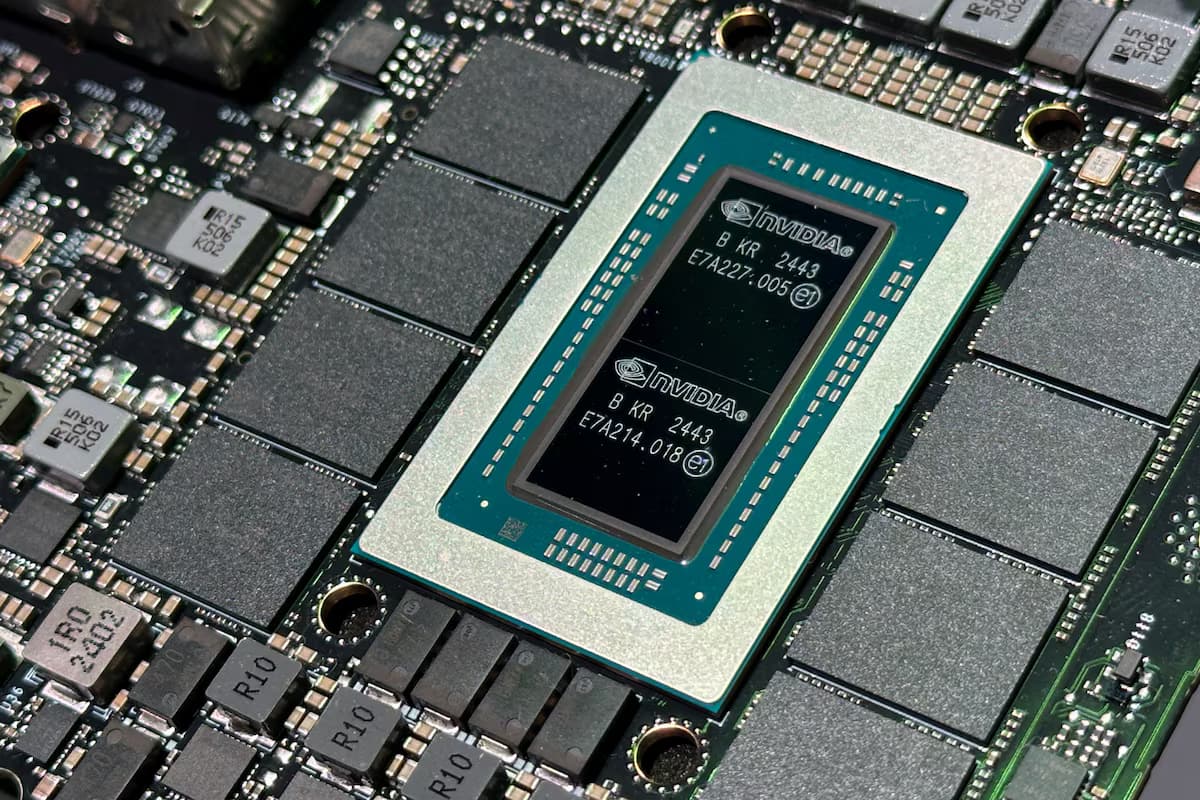
Nvidia’s recent earnings report has further challenged widespread skepticism regarding the AI industry's sustainability. Skeptics had previously warned of slowing demand from hyperscalers, risks from custom chip competition, and a depreciation of GPU infrastructure. However, Nvidia’s results indicated a highly diversified customer base, with hyperscalers accounting for only about half of its business, while sovereign AI projects and 'neoclouds' provide additional stability. CEO Jensen Huang emphasized that even older infrastructure can remain productive through software optimizations, and the company confirmed that its next-generation Vera Rubin platform remains on schedule. The market reaction was swift, with Nvidia’s stock rising 8% and the company signaling revenue growth potential of roughly 70% for fiscal 2028. This performance served to invalidate several bearish theories, reinforcing the view that demand for high-performance computing remains robust and potentially more enduring than critics previously assumed.
⚖ The Balanced View
Supporting view
Proponents of aggressive AI spending, such as Amazon CEO Andy Jassy, maintain that the massive upfront capital outlays are necessary investments that will eventually result in substantial long-term revenue growth and free cash flow generation.
Concerns & criticism
Credit analysts from S&P Global and Moody’s have expressed concern that the current pace of debt-funded AI expansion is eroding the pristine balance sheets of Big Tech, potentially leading to increased borrowing costs and diminished credit quality.
→What's next
Investors will be closely watching for signs of return on investment as hyperscalers aim to transition from heavy spending to positive free cash flow cycles. Meanwhile, the enterprise software sector will continue to monitor how partnerships with AI developers like Anthropic and OpenAI reshape traditional service revenue models.