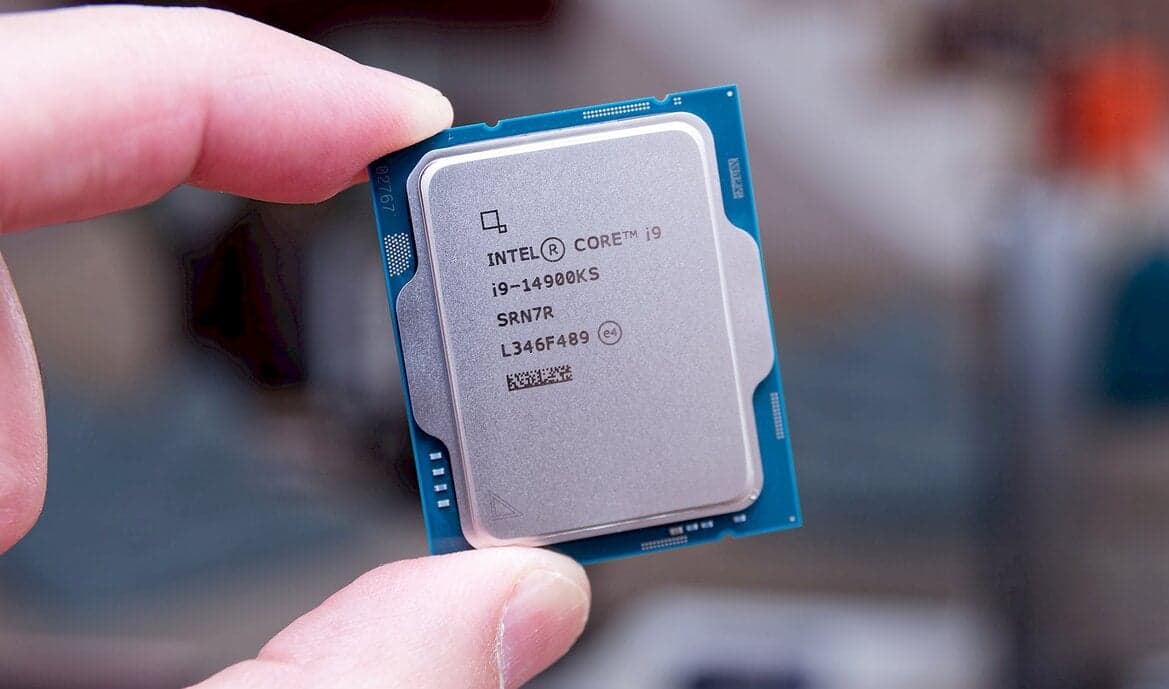

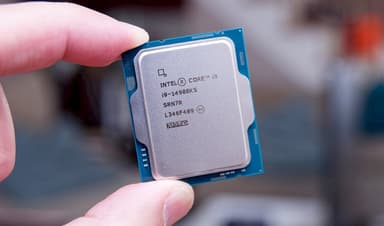
Intel Core i9-14900KS 24‑Core LGA1700 Processor (Special Edition)
The world’s fastest desktop processor – 6.2 GHz boost clock, 24 cores, and ultimate performance for enthusiasts who demand the absolute best.
Key Highlights
- 6.2 GHz max boost – the highest clock speed ever on a consumer CPU
- 24 cores (8P+16E) / 32 threads – ultimate gaming and multitasking
- Special edition binning for superior voltage/frequency curves
- Supports DDR5 and DDR4 memory, PCIe 5.0
- Fully unlocked for extreme overclocking (LN2 ready)
- Requires 360mm AIO or custom water cooling – power draw >320W
Overview
How It Works
The i9-14900KS pushes Intel’s hybrid architecture to its absolute limit with a 6.2 GHz boost. Here’s how it achieves record‑breaking speeds:
Extreme Binning & 6.2 GHz P‑cores
Each 14900KS is a top‑1% silicon chip that can sustain 6.2 GHz on two preferred cores using Thermal Velocity Boost and Adaptive Boost Technology.
Intel Thread Director
Built into the silicon, Thread Director monitors loads and guides the OS to place latency‑sensitive threads on the 6.2 GHz P‑cores for instant responsiveness.
Thermal Velocity Boost & ABT
TVB adds +100 MHz when temps are below 70°C; ABT dynamically raises all P‑core frequencies up to 5.7 GHz under heavy multi‑core loads when cooling permits.
Smart Cache & Memory
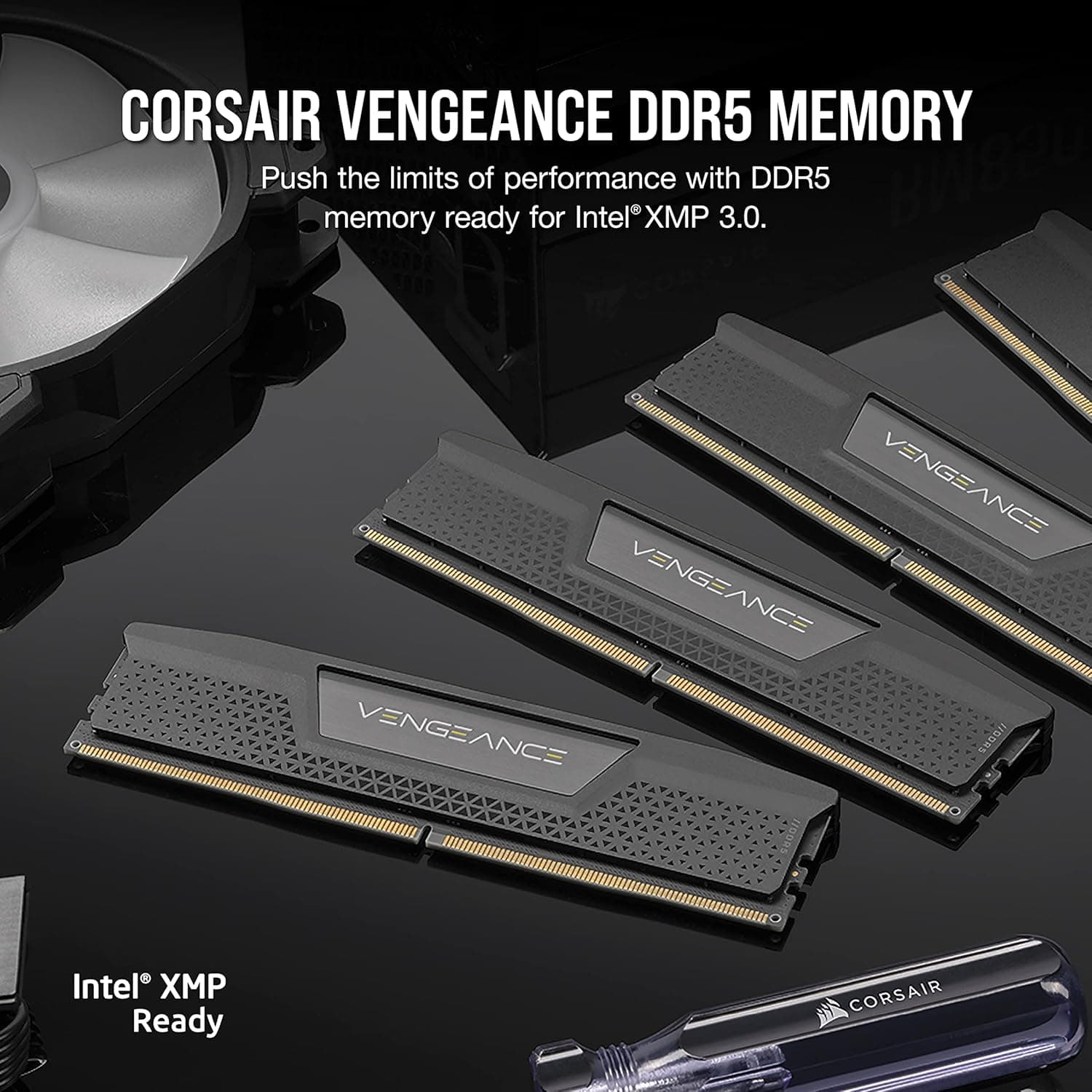
36 MB of shared L3 cache + 32 MB L2. Supports DDR5‑5600 and DDR4‑3200, but overclockers routinely push DDR5‑8000+ on Z790 boards.
Extreme Power & Cooling
PL2 is 253W, but actual peak power can exceed 320W. A 360mm AIO or custom water loop is mandatory; liquid nitrogen is used for world record attempts.
Key Features
6.2 GHz Max Turbo
The highest clock speed ever shipped on a consumer CPU. Two preferred P‑cores reach 6.2 GHz out of the box – unbeatable single‑thread performance.
24 Cores / 32 Threads
8 P‑cores (up to 6.2 GHz) + 16 E‑cores (up to 4.5 GHz). Handles gaming, streaming, and rendering simultaneously without breaking a sweat.
Special Edition Binning
Each 14900KS is hand‑picked for optimal voltage/frequency curves, ensuring stability at extreme speeds with lower voltages than standard 14900K samples.
DDR5 & DDR4 Support
Compatible with both memory types. Use high‑frequency DDR5 for maximum bandwidth or reuse existing DDR4 kits to save cost.
PCIe 5.0 & 4.0
20 PCIe lanes (16x Gen5 + 4x Gen4) – ready for the fastest GPUs and SSDs available.
Fully Unlocked
Unlimited overclocking potential. Intel XTU, per‑core tuning, and E‑core adjustments are all supported. Ideal for LN2 world record attempts.
How the 14900KS Achieves 6.2 GHz
Thermal Velocity Boost, Adaptive Boost, and extreme binning explained
Premium Silicon Selection
Only the top 0.5% of 14900K wafers become 14900KS. Each chip is tested for low leakage and high frequency at reasonable voltages, enabling 6.2 GHz out of the box.
Thermal Velocity Boost (TVB)
If the processor is below 70°C and has power headroom, TVB adds +100 MHz to the max turbo, pushing from 6.1 GHz to 6.2 GHz on the two fastest cores.
Adaptive Boost Technology (ABT)
ABT raises all P‑core frequencies dynamically up to 5.7 GHz under multi‑core loads, provided current, power, and thermal limits aren't exceeded. This gives the KS a multi‑core edge over the standard K.
✓ Pros
- ✓Fastest consumer CPU ever made – 6.2 GHz boost for unbeatable single‑thread performance
- ✓24 cores / 32 threads handle any workload with ease
- ✓Special edition binning ensures superior voltage and overclocking headroom
- ✓Supports both DDR5 and DDR4 for flexible builds
- ✓PCIe 5.0 ready for next‑gen GPUs and SSDs
- ✓Fully unlocked multiplier – ideal for extreme overclocking and benchmarks
- ✓Included integrated UHD Graphics 770 for troubleshooting or secondary displays
- ✓Limited edition – high collectability and bragging rights
✗ Cons
- ✗Extremely high power draw – up to 320W+ under full load; requires premium cooling (360mm AIO or custom loop minimum)
- ✗Very expensive – $699 MSRP, often higher at launch, with marginal gaming gains over i9-14900K
- ✗No bundled cooler – add $150–300 for sufficient cooling
- ✗LGA1700 platform is end‑of‑life; no upgrade path beyond 14th Gen
- ✗Requires Windows 11 to fully utilize Thread Director and hybrid architecture
- ✗Running at 6.2 GHz demands excellent case airflow and ambient temperatures
- ✗Limited availability – often sells out quickly or at inflated prices
Use Cases
Technical Specifications
Core i9-14900KS vs i9-14900K vs Ryzen 9 7950X3D
| Feature | i9‑14900KS | i9‑14900K | r9‑7950X3D | |
|---|---|---|---|---|
| Cores / Threads | 24 / 32 | 24 / 32 | 16 / 32 | |
| Max Boost Clock | 6.2 GHz | 6.0 GHz | 5.7 GHz | |
| All P‑core Turbo | 5.7 GHz | 5.6 GHz | 5.0–5.25 GHz | |
| E‑core Max | 4.5 GHz | 4.4 GHz | N/A | |
| Cache (L3) | 36 MB | 36 MB | 128 MB (3D V‑Cache) | |
| Memory | DDR5 / DDR4 | DDR5 / DDR4 | DDR5 only | |
| TDP / Peak Power | 150W / 320W+ | 125W / 253W | 120W / 162W | |
| Integrated GPU | UHD 770 | UHD 770 | AMD RDNA 2 |
Setup Tips
Update BIOS to Latest Version
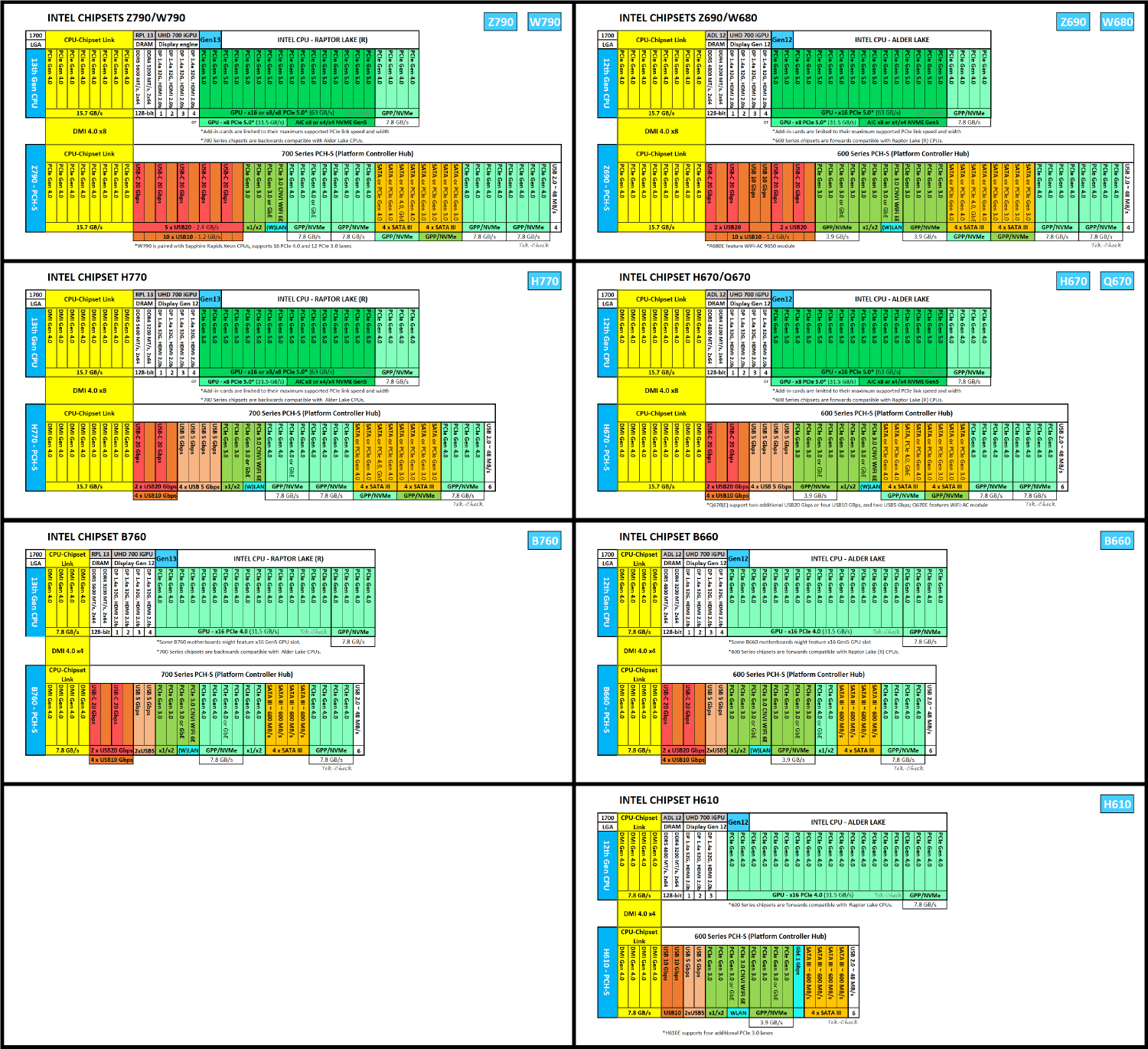
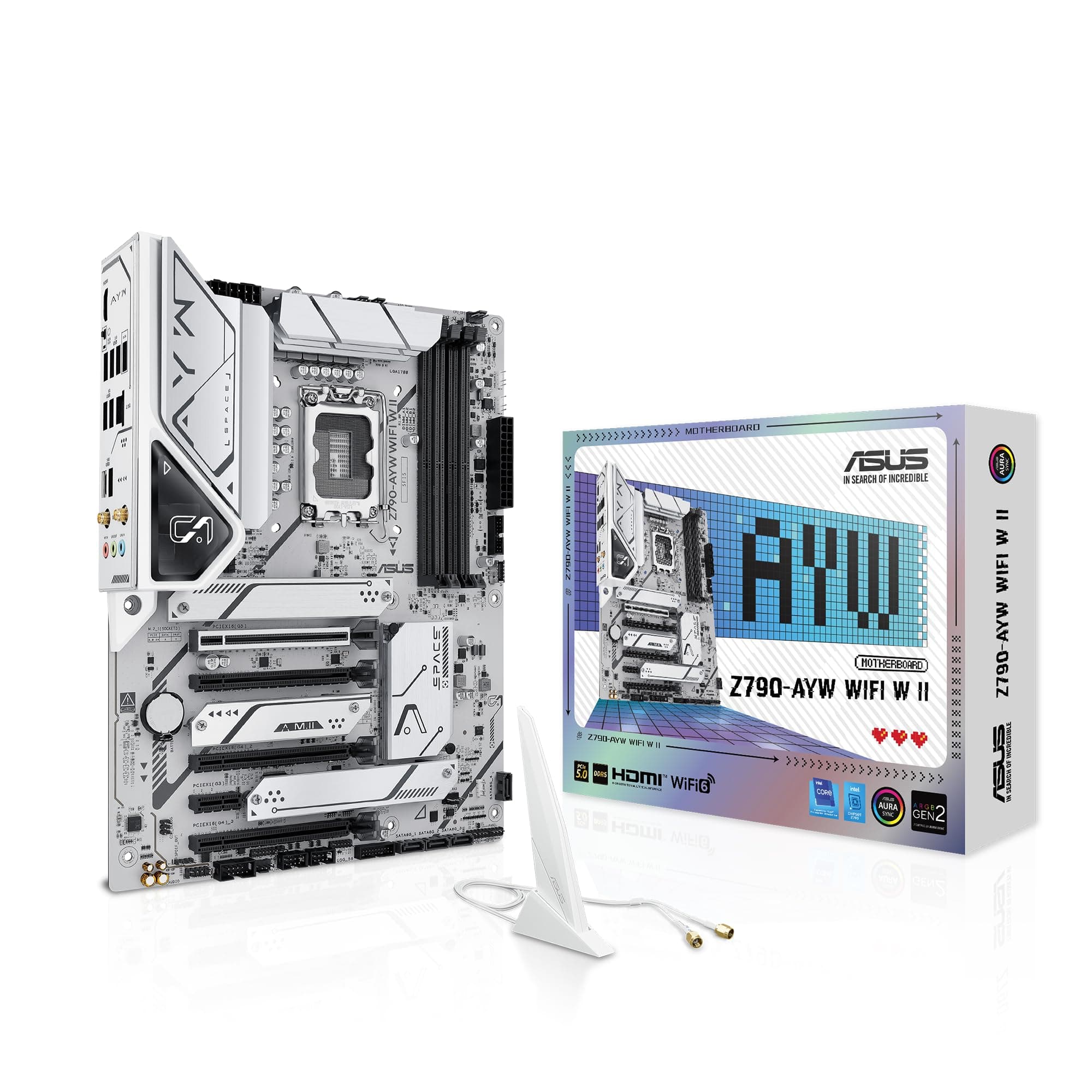
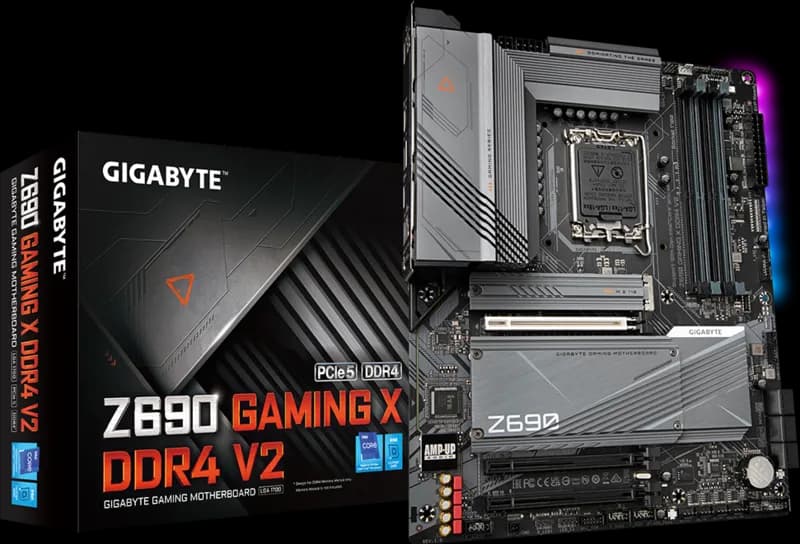
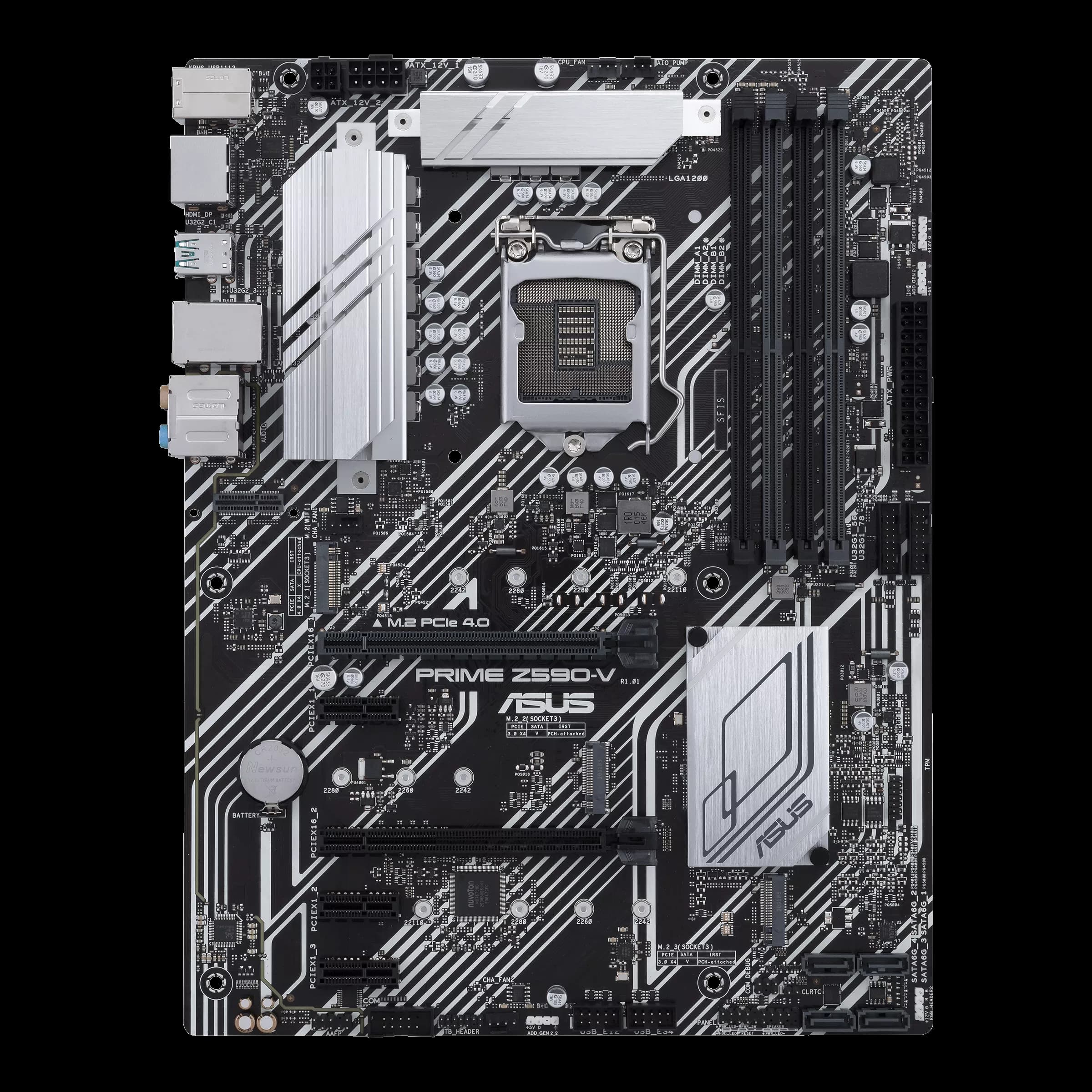
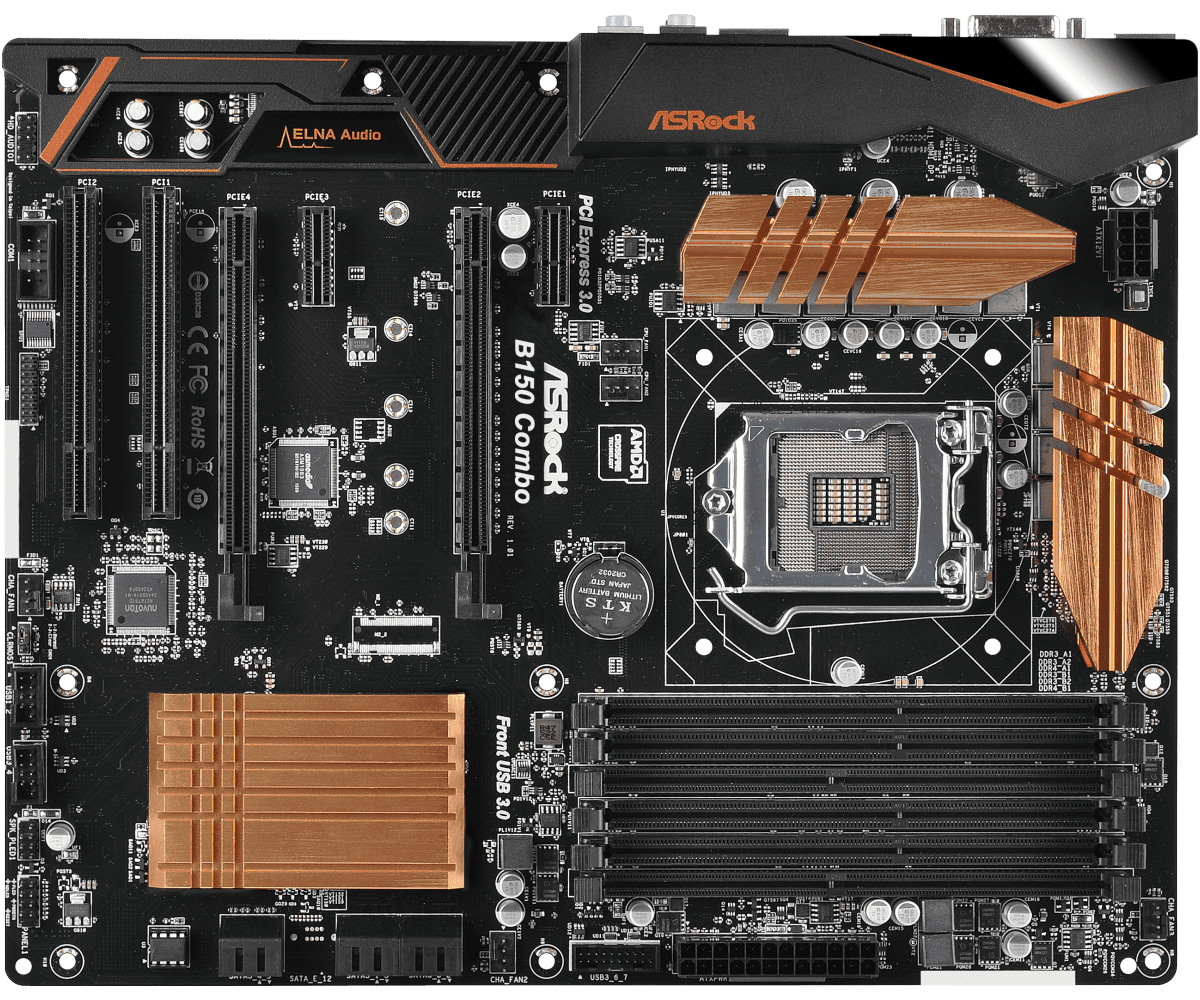
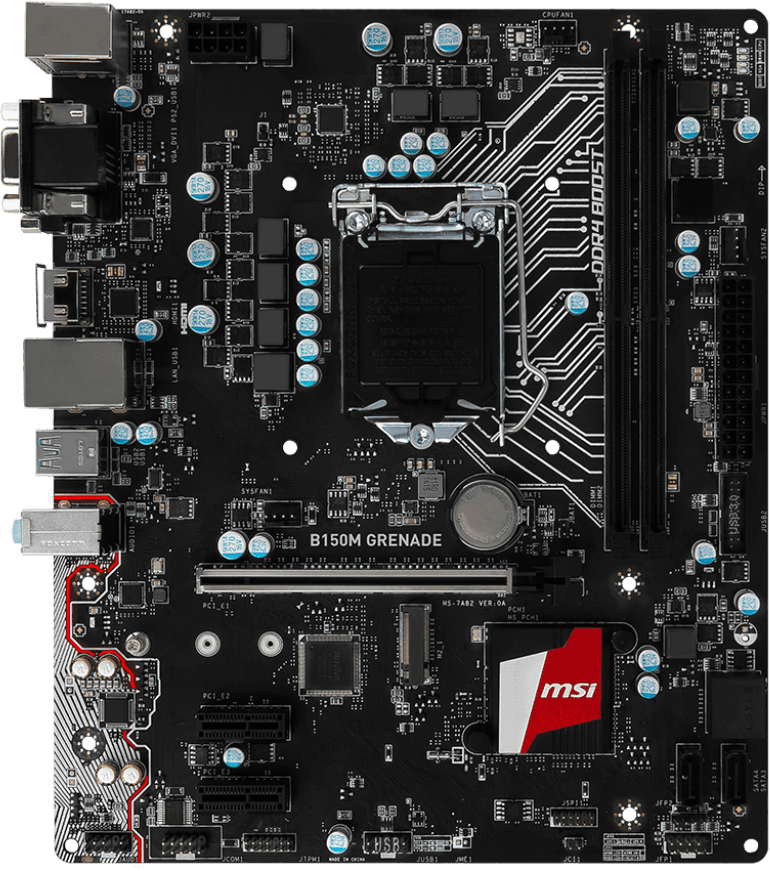
The 14900KS requires a BIOS that includes the 14th Gen KS microcode. Update your Z790/Z690 motherboard to the newest BIOS before installation. For 600‑series boards, ensure you have a compatible CPU to perform the update if needed.
Use a 360mm AIO or Custom Water Loop
Do not skimp on cooling. A 240mm AIO will cause immediate thermal throttling under load. Invest in a high‑end 360mm or 420mm AIO, or a custom loop with at least a 360mm radiator.
Set Power Limits in BIOS
By default, many motherboards remove power limits, leading to 350W+ draws. For daily use, set PL1=150W, PL2=253W (Intel spec). For benchmarking, you can increase PL2 to 320W, but monitor temperatures closely.
Enable XMP and Adjust TVB Settings
Enable XMP for your RAM to run at rated speeds. In BIOS, ensure 'Thermal Velocity Boost' and 'Adaptive Boost Technology' are enabled to reach 6.2 GHz. Some boards may have these disabled by default.
Stress Test with RealBench or Cinebench
After assembly, run stability tests (Cinebench R23, OCCT, Prime95) to verify cooling and stability. Expect temperatures up to 95–100°C under full load – this is normal for the KS under heavy stress.